
2026-09-15 ·
Seasonal Bed Bug Activity in Tomball During Hot Texas Summers
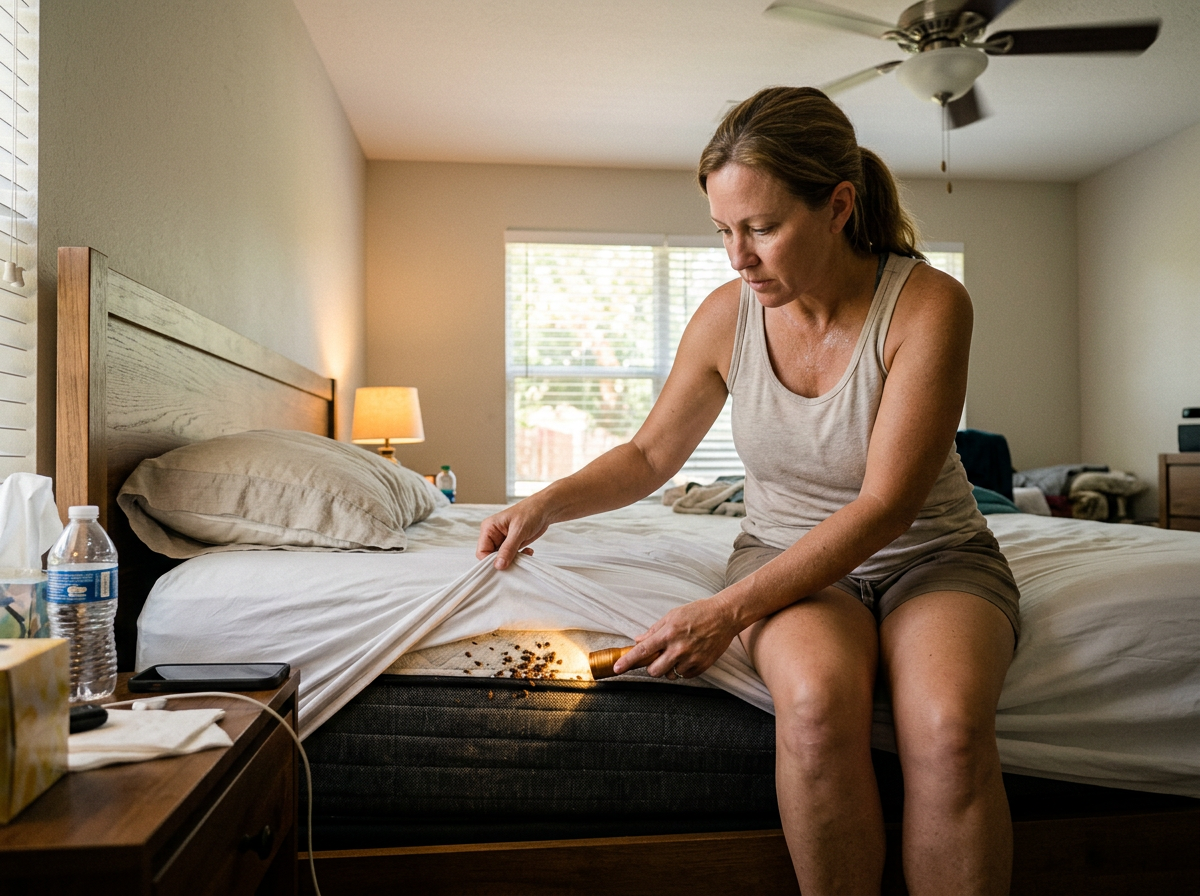
In Tomball during peak summer heat, bed bugs remain active inside climate-controlled homes even when outdoor temperatures exceed 95°F, because interior walls and furniture stay within their preferred 70-85°F range; they continue feeding and laying eggs unless targeted bed bug treatment raises core harborage temperatures above lethal thresholds.
Summer Temperatures and Bed Bug Survival Limits
Adult bed bugs can survive without feeding for 3-6 months at typical indoor summer temperatures around 75°F, extending to nearly 12 months in cooler microclimates such as wall voids. Nymphs last 2-4 months under the same conditions. These timelines mean an infestation can persist through an entire Tomball summer and into fall without new hosts if residents travel. Eggs hatch in 6-10 days at 80°F, so a single missed treatment cycle allows rapid population rebound. Local travel along I-35 and I-10 corridors brings new introductions during vacation periods, sustaining activity even when natural outdoor heat rises.
Why Outdoor Heat Rarely Reaches Indoor Harborages
Tomball homes with brick or siding exteriors and insulated attics keep wall voids and mattress seams 15-20°F cooler than the 100°F+ afternoons recorded locally. Bed bugs cluster in these protected spots behind baseboards or in box springs where sustained 122°F exposure never occurs naturally. Multi-family buildings along Tomball Parkway see reinfestation through shared voids because adjoining units maintain independent HVAC settings. Only deliberate bed bug heat treatment can deliver the uniform 120-140°F for 4-6 hours needed to kill all life stages including eggs.
Dryer Cycles as a Limited Summer Tool
Residents sometimes attempt to kill bed bugs on clothing by running a dryer on high heat at 130°F or above for 30 minutes. This works for loose items but leaves mattresses, furniture frames, and wall voids untouched. Eggs require the same sustained heat, so partial dryer use can still allow 6-10 day hatch cycles to restart populations. For items that fit, this method reduces numbers before professional bed bug inspection identifies remaining sites in older Tomball homes.
Preparing for Heat-Based Treatment in Summer Conditions
Summer scheduling in Tomball often aligns with student move-in cycles and second-hand furniture purchases that introduce new bugs. Preparation focuses on clearing clutter so heat reaches every surface, then isolating laundered items in sealed bags. Because heat leaves no residual, follow-up monitoring catches any survivors that traveled from untreated neighboring units. Bed bug heat treatment addresses these variables without relying on repeated chemical applications that may miss eggs.
Multi-Unit Challenges During Peak Heat Months
Apartment complexes near Tomball Parkway experience increased movement through shared plumbing and electrical chases when windows stay closed against afternoon heat. One untreated unit can seed adjacent spaces within weeks. Apartment and multi-unit bed bug treatment coordinates across units to break these cycles. Common bed bug hiding spots in older Tomball homes details the specific voids that retain bugs longest during summer.
Effective management in Tomball summers therefore centers on thorough inspection and heat delivery rather than hoping outdoor temperatures will solve the problem.